Industry-Specific PPE Strategies for Johor Bahru’s Top Sectors: Manufacturing, Oil & Gas, Construction
Key Takeaways
🔸Different industries face unique hazards requiring tailored PPE: Manufacturing workers need cut-resistant gloves while oil & gas workers require flame-resistant clothing, generic PPE approaches may fail.
🔸Sector-specific PPE reduces both costs and injuries: Matching protection to actual hazards prevents over-spending on unnecessary equipment while ensuring adequate protection where needed.
🔸JZ Industry provides technical consultation by sector: We assess job-site hazards, recommend appropriate PPE grades, and ensure compliance with industry-specific Malaysian regulations.
🔸Local supplier knowledge of JB industries matters: Understanding Johor Bahru’s electronics manufacturing, Pasir Gudang petrochemical operations, and regional construction projects enables better PPE recommendations.
Introduction
PPE (Personal Protective Equipment) refers to protective clothing, helmets, gloves, safety glasses, and other equipment designed to protect workers from workplace hazards. Different industries require different types of PPE based on the specific risks workers face.
A Pasir Gudang petrochemical facility manager recently inquired about “work gloves.” When asked about specific tasks, the answer revealed that workers handle both chemicals and hot pipes. Generic work gloves would fail at both tasks.
This scenario repeats across Johor Bahru’s industrial sectors. A one-size-fits-all PPE approach wastes money on wrong protection while leaving workers vulnerable to actual hazards. Electronics manufacturers face different risks than construction sites. Oil refineries have different requirements than metal fabrication shops.
This guide explains sector-specific PPE strategies for Johor Bahru’s three major industries, linking product recommendations to actual job-site hazards and showing how proper supplier consultation improves both safety and cost-effectiveness.
What Hazards Do Manufacturing Workers Face in Johor Bahru?
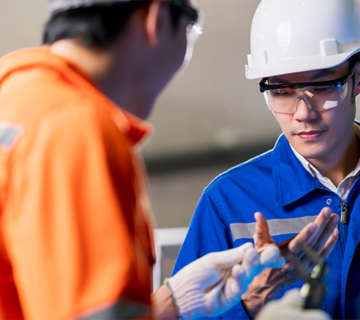
Manufacturing workers in Johor Bahru’s electronics, automotive, and metalworking sectors face mechanical hazards including cuts from sharp materials, repetitive motion injuries, and flying particles from machining operations. PPE must balance protection with dexterity for precision work.
Electronics Manufacturing: Assembly lines handling circuit boards, components, and small parts create cut risks from sharp component leads and sheet metal edges. Workers need cut-resistant gloves maintaining finger dexterity for tiny components. JZ Industry supplies genuine Ansell gloves including HyFlex series for precision assembly work. Chemical exposure during soldering requires chemical-resistant options. Eye protection must prevent contamination without restricting vision. Anti-static requirements prevent electronic damage from static discharge through PPE.
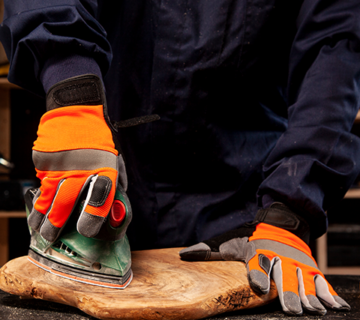
Automotive Manufacturing: Metal stamping and forming operations create severe cut and crush hazards requiring high-level cut-resistant gloves such as ANSI A4-A6 with impact protection. Genuine Ansell and Honeywell cut-resistant gloves provide reliable protection for heavy manufacturing. Welding operations need flame-resistant clothing, welding helmets, and respiratory protection. Authentic 3M respirators and filters ensure proper protection from welding fumes. Oil and coolant exposure requires chemical-resistant gloves maintaining grip on oily surfaces.
Metal Fabrication: Grinding and cutting generate flying particles requiring face shields or genuine 3M safety glasses with side shields. Cut-resistant sleeves protect arms from sharp metal edges during handling. Respiratory protection prevents metal dust and fume inhalation during cutting and welding.
What PPE Do Oil & Gas Operations Require?
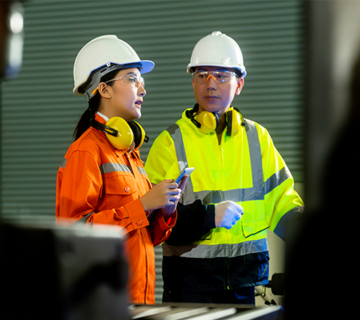
Oil and gas workers in Pasir Gudang’s petrochemical facilities face fire hazards, chemical exposures, and confined space risks requiring flame-resistant clothing, chemical-resistant PPE, and gas detection equipment. This sector demands the highest PPE specifications due to catastrophic failure consequences.
Fire and Explosion Protection: Flame-resistant (FR) coveralls provide primary protection against flash fires. FR clothing self-extinguishes preventing continued burning. Workers in high-risk areas need FR undergarments, regular cotton or synthetic clothing melts causing severe burns.
Chemical Protection: Chemical-resistant suits protect against corrosive materials during maintenance, sampling, or spill response. Suit selection depends on specific chemicals—some require fully encapsulated gas-tight suits while others need splash protection only. Respiratory protection ranges from half-face respirators with chemical cartridges for low concentrations to self-contained breathing apparatus (SCBA) for high concentrations. JZ Industry supplies genuine MSA and 3M respirators and SCBA systems meeting petrochemical industry standards.
| Hazard Type | Required PPE | Specification Level |
| Flash fire | FR coveralls | Fire-resistant rated |
| Chemical splash | Chemical suit | Type 3 or 4 |
| Toxic gas | Respirator/ SCBA | Based on exposure |
| Impact | Hard hat | Type 2 Class E |
Additional Sector Requirements: Steel-toed boots with chemical-resistant materials, heat-resistant gloves for hot equipment, and high-visibility clothing for areas with vehicle traffic. Genuine MSA hard hats provide reliable impact protection meeting standards.
Pro Tip: Never mix regular workwear with FR clothing. Standard polyester or nylon garments worn under FR coveralls can melt during flash fires, defeating the FR protection.
What Construction PPE Addresses Site-Specific Risks?
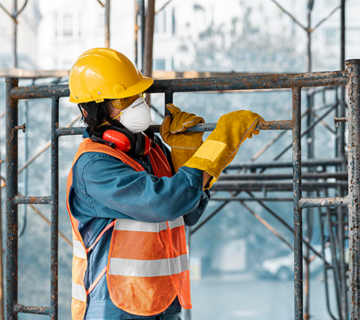
Construction sites present fall hazards, struck-by hazards from falling objects, and varying environmental conditions requiring hard hats, high-visibility clothing, fall protection harnesses, and steel-toed boots as baseline PPE. Specific trades add specialized requirements.
Core Construction PPE (All Workers): Hard hats protect against falling objects and head impacts. High-visibility vests ensure worker visibility to equipment operators. Steel-toed safety boots with slip-resistant soles prevent foot injuries and provide traction on varied surfaces.
Height Work Protection: Workers at heights above 1.8 meters require fall protection. Full-body harnesses distribute fall arrest forces preventing injury. Lanyards with shock absorbers reduce peak arrest forces. Different anchor systems suit different structures — scaffolding uses temporary anchors while steel structures use beam clamps.
JZ Industry is an MSA certified roof line fall arrest system provider, supplying and installing permanent fall protection systems for commercial buildings and industrial facilities. We also provide NIOSH-certified Work at Height (WAH) training ensuring construction teams understand proper harness use, anchor point selection, and rescue procedures.
Trade-Specific Requirements: Welders need auto-darkening helmets, flame-resistant clothing, and respiratory protection. Concrete workers require knee pads and chemical-resistant gloves for cement exposure. Electrical workers need arc-rated clothing and insulated gloves. Demolition work adds dust masks for silica dust and cut-resistant gloves for debris handling.
Environmental Considerations: Johor Bahru’s tropical climate requires moisture-wicking fabrics preventing heat stress. Cooling vests help workers in direct sun exposure. Rain gear must not compromise visibility or mobility.
How Does JZ Industry Support Sector-Specific PPE Needs?
JZ Industry provides technical consultation assessing job-site hazards, recommending appropriate PPE grades meeting Malaysian standards, and ensuring product availability for sector-specific requirements. We understand Johor Bahru’s industrial landscape enabling relevant recommendations.
As an authorized supplier, we provide genuine products from trusted brands including MSA, Ansell, 3M, Honeywell, and Kimberly-Clark. Authentic products ensure reliable protection meeting manufacturer specifications. We verify product authenticity through authorized distribution channels, eliminating counterfeit risks that compromise worker safety.
Malaysian regulations require specific PPE standards varying by industry. We ensure recommendations meet SIRIM standards, DOSH requirements, and industry best practice. Oil and gas operations often require higher specifications than regulations mandate due to company safety policies.
Vendor Managed Inventory (VMI) systems monitor client consumption automatically triggering replenishment. This ensures availability without tying up capital in excess stock. We provide product-specific training covering proper PPE use, inspection procedures, and limitations. Compliance documentation including certifications and test reports supports DOSH audits.
What Mistakes Do Companies Make with Cross-Sector PPE?
The most common mistake is applying PPE strategies from one sector to another without hazard analysis—construction site approaches fail in manufacturing environments and vice versa. Each sector requires unique considerations.
Construction companies sometimes specify heavy-duty PPE for light manufacturing operations, increasing costs without improving safety. Workers resist wearing overly cumbersome PPE reducing compliance. Conversely, manufacturing safety approaches underestimate construction site hazards. Site visits reveal gaps that paper assessments miss.
Foreign safety programs designed for temperate climates fail in Johor Bahru’s heat and humidity. PPE that works in Europe causes heat stress in Malaysia. Local knowledge includes understanding Malaysian supplier networks, typical lead times, and which products DOSH inspectors commonly verify.
Conclusion
Effective PPE strategies match protection to sector-specific hazards rather than applying generic approaches across industries. Manufacturing, oil & gas, and construction sectors in Johor Bahru (JB) each require tailored PPE selections based on actual job-site risks.
Contact JZ Industry for sector-specific PPE consultation. As an experienced PPE supplier in Johor Bahru (JB), we assess your facility hazards, recommend appropriate products meeting industry standards, and provide ongoing support ensuring worker protection and regulatory compliance.
Frequently Asked Questions (FAQ)
Malaysian regulations vary by sector. Manufacturing facilities follow amended OSHA 1994 requirements for mechanical hazards. Oil & gas operations must meet Petroleum (Safety Measures) Act 1984 standards plus company-specific requirements often exceeding regulatory minimums. Construction sites follow Construction Industry Development Board (CIDB) and DOSH guidelines. JZ Industry helps navigate these sector-specific regulations, ensuring your PPE selections meet all applicable Malaysian standards including SIRIM certifications where required.
Our NIOSH-certified WAH training covers fall protection theory, hazard identification, proper harness fitting and inspection, anchor point selection, rescue procedures for fallen workers, and Malaysian regulatory requirements. Training includes both classroom instruction and practical hands-on sessions. We customize training to your specific site conditions whether you’re constructing high-rises in Johor Bahru (JB) city or installing rooftop equipment at industrial facilities. Certification is valid according to NIOSH requirements with refresher training recommended annually.
Genuine products from authorized suppliers like JZ Industry include manufacturer batch codes, tamper-evident packaging, complete certification documentation, and traceability to authorized distribution channels. Counterfeit PPE often shows blurry printing, missing batch codes, generic packaging, or suspiciously low pricing. We provide authentication verification for all brands we supply. For high-value purchases like MSA roof line fall arrest systems or specialized respiratory equipment, we can facilitate direct manufacturer verification if clients require additional assurance.
Absolutely. Many Johor Bahru companies operate across sectors—for example, a company with both manufacturing plants and construction projects. We manage multi-sector PPE programs providing sector-appropriate products for each operation. A single account manager coordinates your entire PPE supply ensuring manufacturing facilities receive cut-resistant gloves while construction sites get fall protection equipment. This centralized approach simplifies procurement while maintaining sector-specific appropriateness.
Yes. As an MSA certified roofline fall arrest system provider, we design, supply, and install permanent fall protection systems for commercial buildings, industrial facilities, and infrastructure projects throughout Johor Bahru and Malaysia. Services include structural assessment, system design customized to your building layout, professional installation by certified technicians, testing and certification, and training for maintenance teams who will use the systems. We work with developers, main contractors, and facility owners throughout project lifecycles.